LEAPS 2026 Textile Waste Conference Event Program
The LEAPS 2025 Textile Waste Conference is a virtual event occurring on Thursday, April 24 from 9:00 am to 2:00 pm EST hosted by The Aftermath Learning Lab. Registration is free.
Register now to attend and receive a Zoom link to join the event. You can also return to the main conference page, or contact the organizers by email with any questions.
You can also view the conference resource list to stay engaged after the event.
Some of the LEAPS 2026 Presenters…


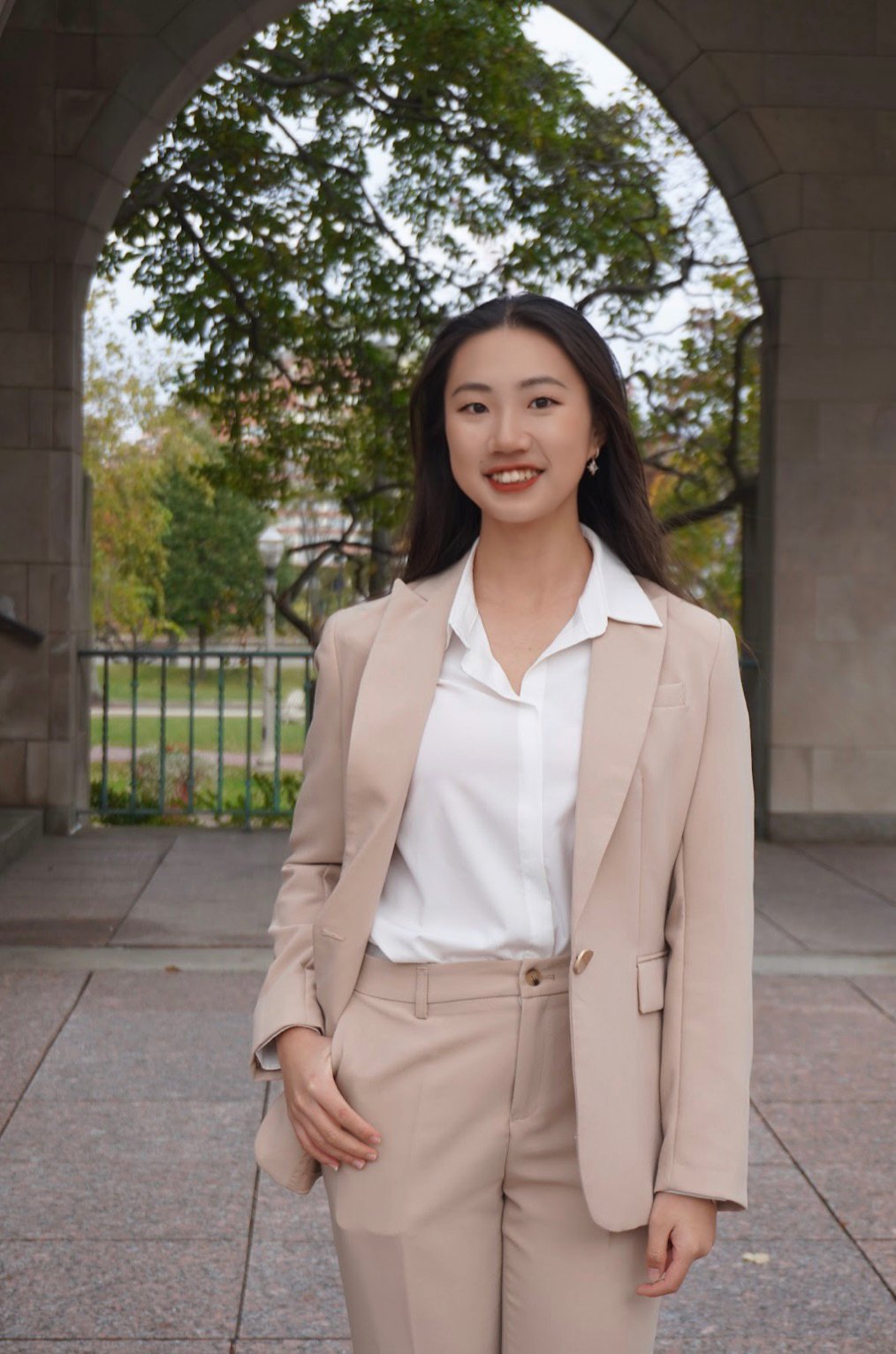
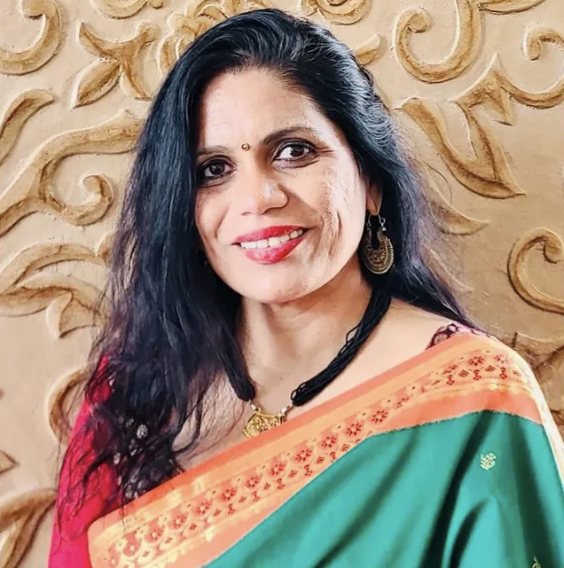
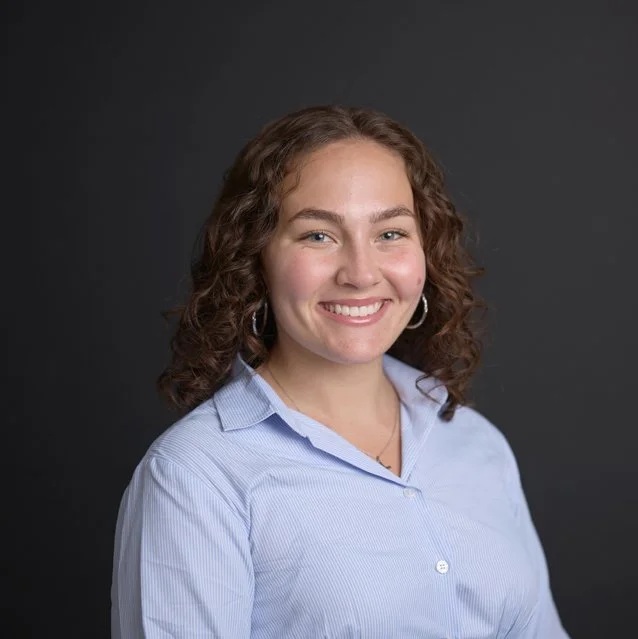

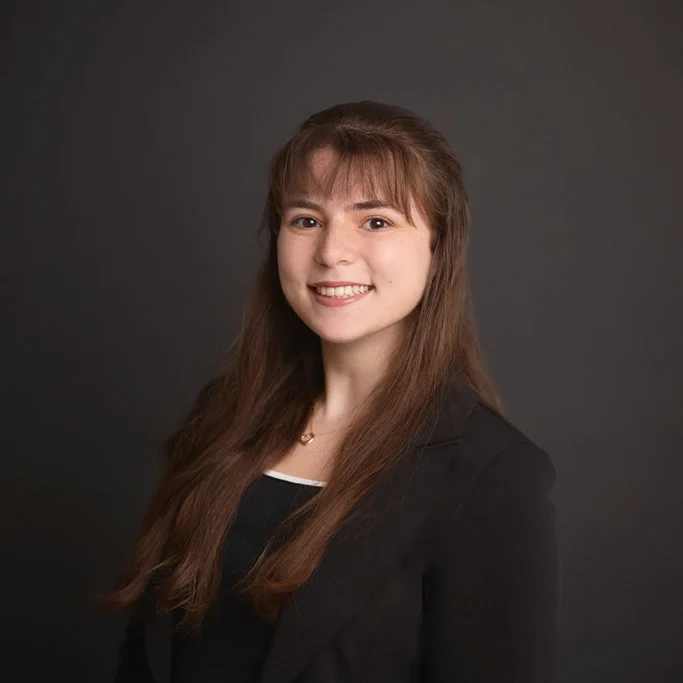

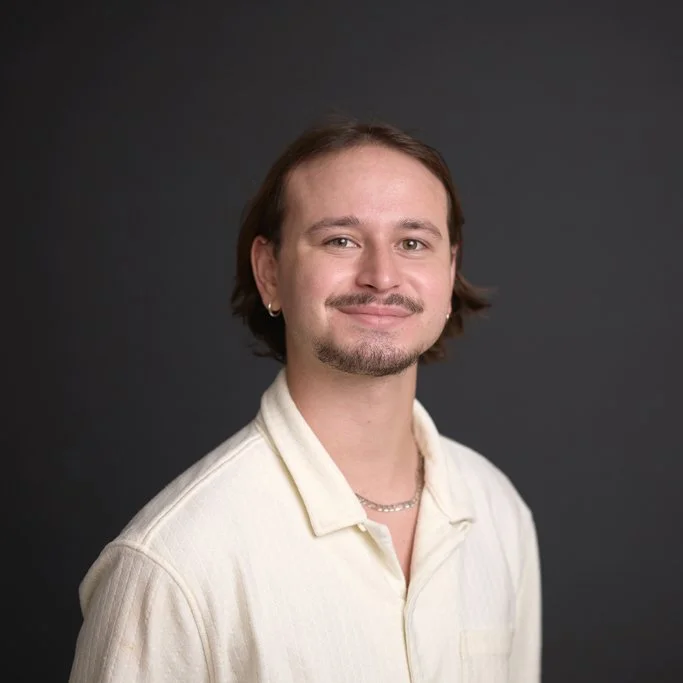
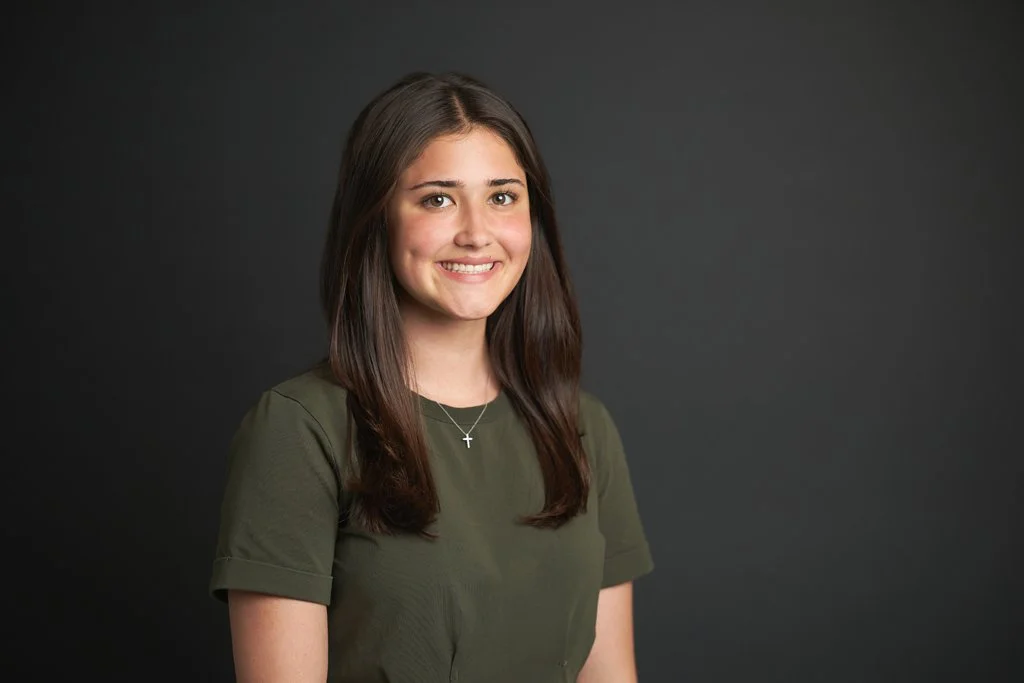

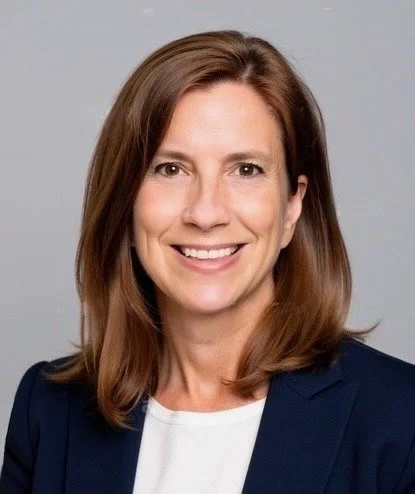
Presenter bios are provided at the bottom of this page.
Conference Program
Opening Session (9:00 am - 9:45 am)
“About the LEAPS 2025 Textile Waste Conference”
Pablo Colon, Aftermath Learning Lab
Opening Remarks
Sarah Bibbey, Make Fashion Clean
“Why Did We Create the LEAPS Textile Waste Conference?”
Julia DeVoy, Aftermath Learning Lab, Boston College
LEAPS Session #2 (10:00 am - 10:45 am)
“What is textile Waste?”
Pablo Colon, Boston College
“People’s Impact Network”
Madhavi Nair, People’s Impact Network
“Messaging Matters: Communicating Textile Waste to Everyday Consumers”
Enyo Edoh, Make Fashion Clean
LEAPS Session #3 (11:00 am -11:40 am)
“Intangible Culture Heritage and Sustainable Fashion”
Shelly Shan, Boston University
“Intangible Culture Heritage and Sustainable Fashion”
Carter Frato-Sweeney, Boston College
“Co-Creating a Fibershed Movement Through Creative Waste-Living”
Cara Judea Alhadeff
Break (12:00 pm - 12:20 pm)
LEAPS Session #4 (12:20 pm to 1:20 pm)
“Textile-Dye”
Natalie Pedley, Boston College
“Digital Game-Based Learning Modalities for Textile Waste”
Sophia Ferrone, Annalise Goldberg, Maria Peterlin, Boston College
“What a Waste: Why our Individual Consumer Habits Matter”
Mia Cresti, Boston College
Closing Session (1:40 pm to 2:00 pm)
“Staying Engaged After the LEAPS Conference and Closing Remarks”
Maria Peterlin, Aftermath Learning Lab
Event Notes
Captions and Recording
Auto-captions will be enabled during the event. The conference will be recorded and captions edited prior to uploading the conference recordings onto YouTube.
Consider Donating to the Conference Partners
The LEAPS Conference is made possible in large part due to volunteered time from members of the Make Fashion Clean (MFC) team. While we are committed to making this conference free and publicly available, we encourage participants - especially those who generate a lot of textile waste - to consider donating to the #MFCTextileWasteCampaign for Earth Day 2024. All proceeds to this campaign directly support the MFC-MFI Foundation Upcycling Partnership, an initiative of artisans who are upcycling textile waste in Ghana.
Learn more about and donate to the #MFCTextileWasteCampaign.
Presenter Bios
Sarah Bibbey (they/them) is a white, nonbinary social worker who co-founded MFC in June 2017. Originally from Colorado, they have lived in many parts of the US, as well as Ghana, Costa Rica, and Mexico. Sarah is currently based in San Bernardino, California. As the Acting Director for Partner Relationships, Sarah manages communication between the MFC team and the MFI Foundation. They also work on grant applications and the organization’s theory of change.
Since 2013, Sarah has collaborated in various ways with women who are artisans in Ghana. As a young person, Sarah lived in Ghana, an experience that became their foundation for understanding global inequities. Personally, they also share a long-standing warm relationship with several of the artisans at MFI. “I seek to work against systems of oppression that affect people I care for.” Sarah sees that they have been, and continue to be, part of the systems of oppression that create issues such as denim dumping. Sarah hopes their work with MFC will partner with the most directly affected, and in doing so, heal all parties involved. One way Sarah is currently seeking to grow their equitable practice with MFC is through studying Twi, a language spoken by many communities in Ghana.
As a result of their work with MFC, Sarah is committed to buying secondhand clothes and goods whenever possible. They have also learned to salvage discarded food waste.

Emma Mooney is a freshman at Boston College studying Finance, Entrepreneurship, and History. She is also the founder of To The Trade, a startup working to simplify the fabric and wallpaper sample ordering process for interior designers. With To The Trade, designers can access samples from various textile brands on one platform with a single trade account. This drastically reduces the amount of time designers spend setting up trade accounts and ordering samples, while also increasing exposure for textile brands and minimizing repeat sample ordering. Emma started To The Trade after working at interior designer firms, experiencing firsthand the inefficiencies of creating trade accounts and ordering samples through email and individual ordering websites. She believes that the time-consuming nature of this essential task places a burden on both designers and textile companies, which is felt acutely by the many small businesses in these industries. By aggregating sample ordering onto one website, she believes textile waste and sample expenses for vendors will be drastically reduced. Emma recently won the Start@Shea Elevator Pitch Competition, and is planning for To The Trade’s official launch this summer.
Shelly Shan is currently a student at Boston University with a strong passion for sustainable business. Originally from Yunnan, China—a region known for its rich culture and diverse textile traditions—she is deeply inspired by traditional craftsmanship. Shelly and her colleagues are currently researching how to bring sustainable fashion, especially by incorporating traditional Chinese elements, into the global fashion industry.
Over the past two years, Shelly has participated in LEAPS, working to introduce innovative ways to raise awareness about textile waste and promote sustainable fashion among her peers. This year, she fell in love with thrifting and is excited to take you on a journey to explore how thrift stores in the Boston area handle textile waste and promote sustainability.
Enyonam Edoh is a public health researcher, educator, and creative strategist with over six years of experience at the intersection of health equity, environmental justice, and community engagement. As the Education Director at Make Fashion Clean (MFC), she leads creative curriculum development and cross-sector learning initiatives that center local knowledge, regenerative practices, and the lived realities of communities impacted by textile waste. She holds a Master of Public Health from Tufts University and has worked across research, policy, and media to advance climate-resilient systems. Her approach is rooted in interdisciplinary collaboration—bridging public health, fashion, and culture to illuminate the human stories behind environmental impact.
Madhavi Nair is an IT professional and passionate about giving back locally. Madhavi is delighted to be a part of the People’s Impact Network movement grounded in the triple-winning principles of promoting sustainable fashion, facilitating the reuse of ethnic clothing, and supporting programs benefiting the community. As a community outreach and communications director of PIN, she will be participating and promoting PIN in DFW and nationwide and building community connections and partnerships with other charities.
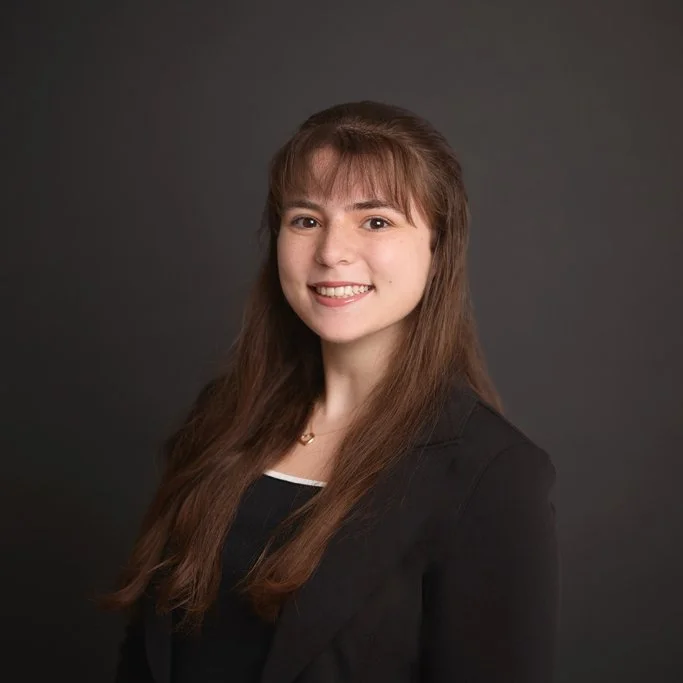
Sophia Ferrone is an undergraduate student and research assistant at Boston College. Sophia is studying Math/Computer Science and Transformative Education, and minoring in Cyberstrategy & Design, Design Thinking & Innovation Minor, and Chemistry. At BC, Sophia is passionate about healthcare and environmental education research. She began working as a research assistant in the Aftermath Learning Lab during her sophomore year. She is fascinated by the environmental and health risks posed by existing waste management practices. Through this experience, Sophia has gained a new perspective on textile waste and has made changes in her own life. Sophia hopes to learn more about the environmental impact of textile waste fabrics and dyes, and how that pollution impacts clean water initiatives.

Carto-Frato-Sweeney is an undergraduate at Boston College majoring in Applied Psychology & Human Development with a minor in Managing for Social Impact. He examines the connection between positive psychology and sustainability, most recently through Eagle Eats Royale, a prize-winning app rewarding sustainable dining habits. At BC, Carter serves as a Resident Assistant and treasurer of his acapella group, roles that let him build community and foster belonging. He studied abroad in Stockholm and Seoul, which inspired him to advocate for bridging cultural values. These experiences fuel his passion for creating inclusive solutions that advance wellbeing, education, and the environment.
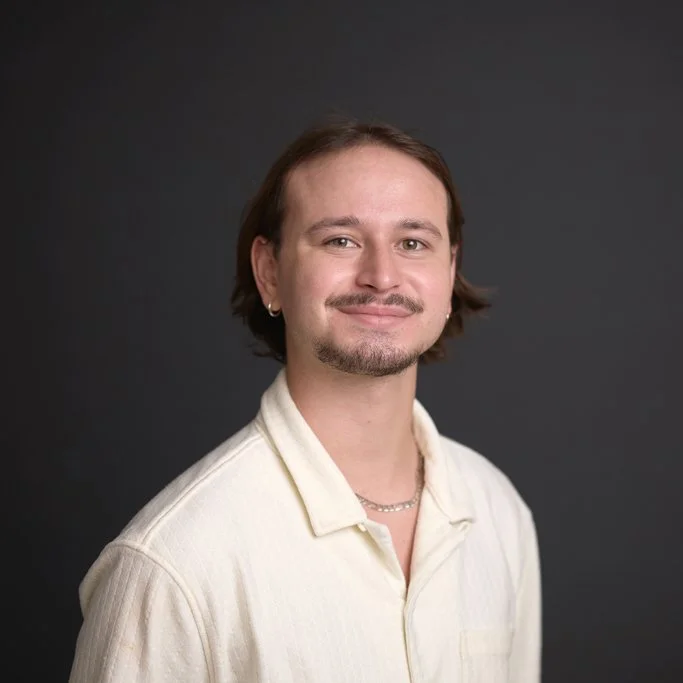
Pablo Colón Quiñones (he/him) is an undergraduate student and research assistant at Boston College. He majors in Applied Psychology & Human Development, Organizational Studies and Human Capital Focus Area, and minors in Management & Leadership and Design Thinking & Innovation. Pablo is passionate about exploring organizational structures and strategies to enhance productivity on multiple levels. Since joining the Aftermath Learning Lab in August 2024, he has become particularly curious about the intersection between textile waste, mental health, and cultural dynamics. Drawn to the lab’s mission, he is eager to deepen his understanding and educate others about the different impacts of textile waste. Through his work with ALL, he aims to refine his research and analytical skills while making meaningful contributions to scholarly publications.

Annalise Goldberg is an undergraduate student and research assistant at Boston College. Annalise is studying Communication and Applied Psychology with a concentration in Policy, Advocacy & Community Change, and a minor in Design and Innovation Thinking. Annalise is passionate about effectively communicating innovative ideas across various groups and disciplines, with a focus on branding for accessibility. Annalise began working as a research assistant in the Aftermath Learning Lab during her Junior year at Boston College. She was drawn to the project through its ability to create hands-on learning opportunities and a desire to learn more about textile waste. Through this experience, Annalise has gained an expanded understanding of communication in the research world and a renewed appreciation for environmentally friendly lifestyle changes. Annalise hopes to continue her work in the lab by creating a longer-term engagement strategy with small-scale sourcing and limited environmental impact.
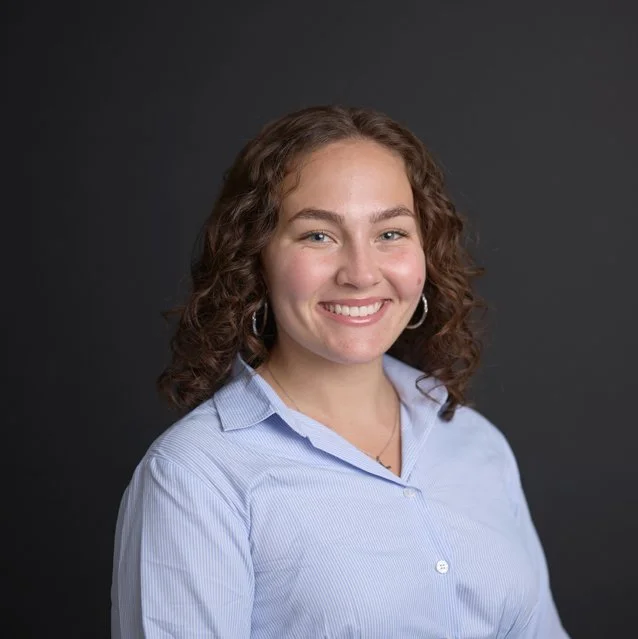
Maria Peterlin is an undergraduate research assistant at Boston College and a senior studying Applied Psychology and Human Development, with double minors in Management and Leadership and Cyber Strategy and Design. She is deeply drawn to spaces where systems meet people. Especially, where policies, technologies, and institutions collide with real human lives. Maria joined the Aftermath Learning Lab in the fall of her senior year, where she engages in interdisciplinary research exploring ethical, restorative, and human-centered approaches to technology, accountability, and social harm. Through her work in the lab, she is particularly interested in the intersections of cybersecurity, restorative justice, and governance, and how digital systems can be designed to promote trust, care, and repair rather than surveillance or exclusion.
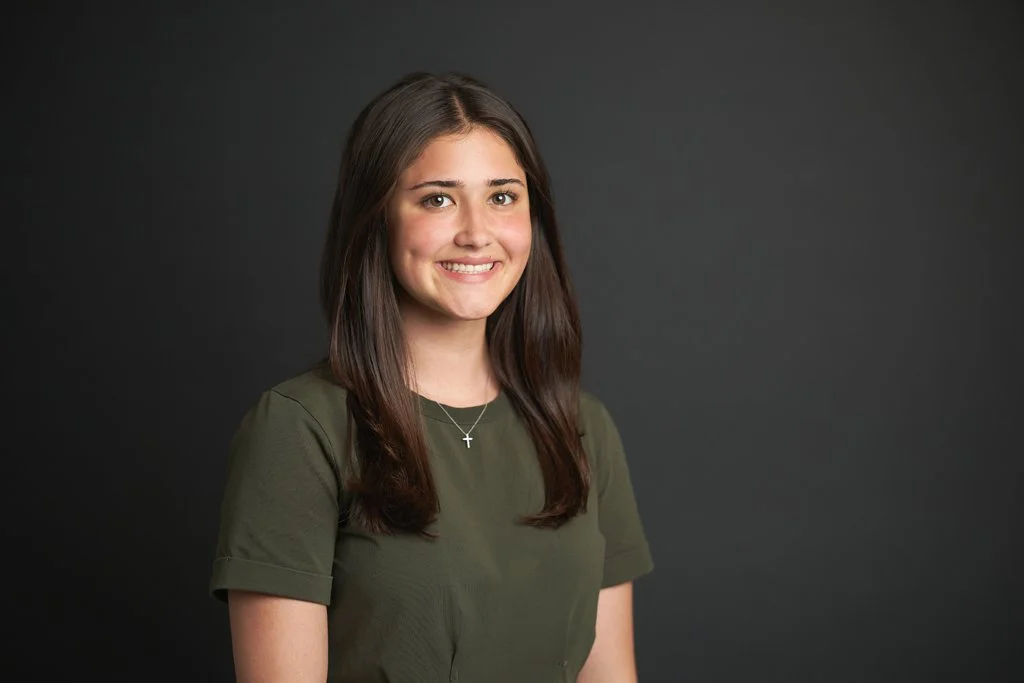
Natalie Pedley is an undergraduate student and research assistant at Boston College. She studies Applied Psychology and Human Development and Studio Art with a concentration in Architecture. She is passionate about advocating against the disproportionate impact that textile waste has on vulnerable communities. Natalie joined the Aftermath Learning Lab during the summer of 2025. She is interested in interdisciplinary strategies and particularly the intersection of environmental justice and public health. Through working in the ALL, she has educated herself and others on the extent of textile pollution, while also developing and empowering sustainable strategies for everyday life.

Mia Cresti is a junior at Boston College, double majoring in Transformative Educational Studies and Environmental Studies with a concentration in Environmental Communications. While at BC, she has served as a Student Leader for the Appa program through Campus Ministry, is a Peer Mentor for LSEHD first-year program, ERA, and is on the E-Board for the new Photography Club and one of the music clubs, Avid Listeners of Boston College, among other things. This semester, she joined Dean Devoy's Aftermath Learning Lab, where she has been investigating the potential for Mutual Aid to be both a social and environmental good. Mia hopes to go on to get her PhD in Environmental or Art Education, and eventually teach high school Environmental Studies through an interdisciplinary lens, emphasizing the importance of Indigenous Knowledge and other ways of knowing.
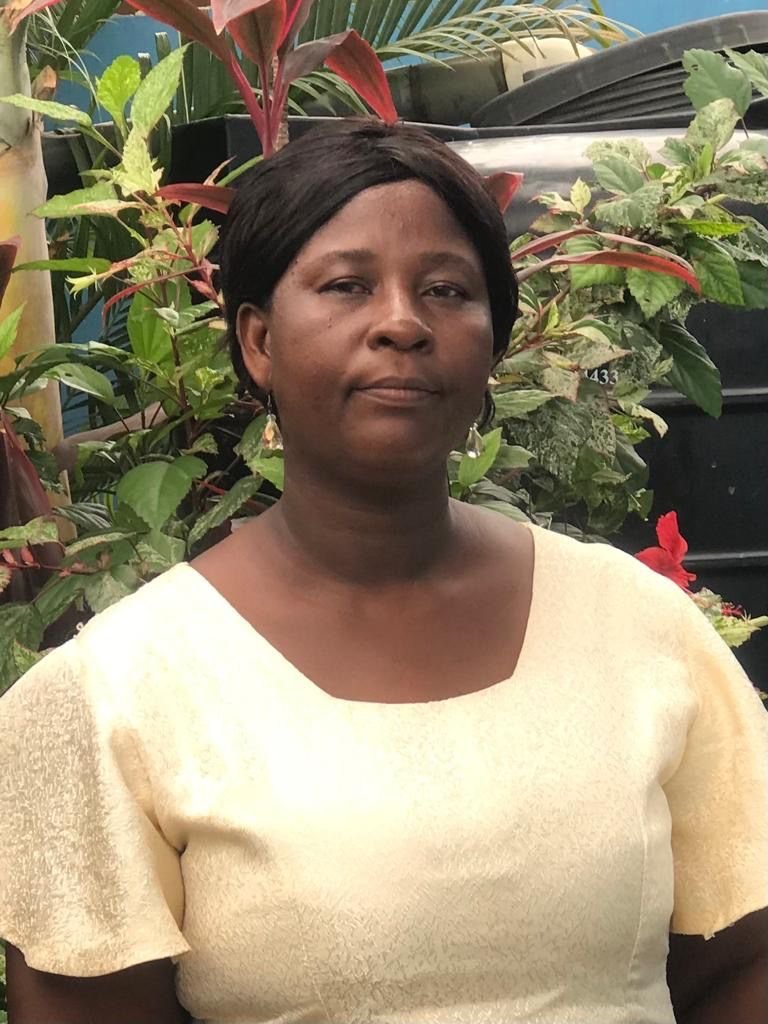
Matilda Lartey is the Founder and Director of The Matilda Flow Inclusion Foundation (The MFI Foundation), a community-based non-profit upcycling studio in Greater Accra, Ghana that provides inclusive job training and employment to artisans whose livelihoods have been displaced by the globalized fast fashion and secondhand clothing industries. Matilda is a fashion designer and environmental educator with two decades of experience as an artisan and activist. Her expertise is in using frugal innovation and universal design principles to train artisans, especially young adults and disabled people, in sewing, fashion design, and upcycling. As a multilingual environmental educator and activist, she teaches about sustainability, the environment, and issues of pollution and climate change and works to spark curiosity and engagement in science, technology, engineering, and mathematics (STEM) through art. She is also focused on ensuring the leadership and representation of African women, disabled people, and their family members in the global climate change response and in environmental health advocacy.
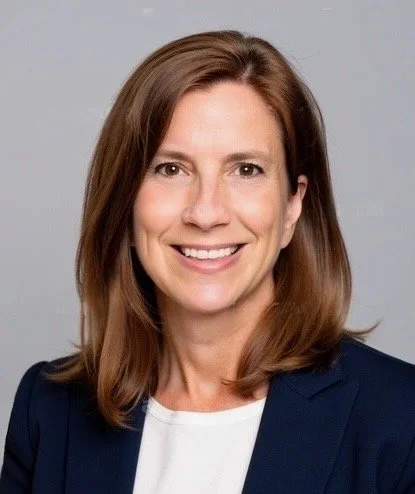
Julia DeVoy, Julia DeVoy, PhD, MTS, MBA, MLS (‘26) is the principal investigator for the Aftermath Learning Lab and an applied developmental psychologist who has been involved in social and environmental justice impact work since 1989. DeVoy, who earned a dual major B.A. from St. Lawrence University, a M.T.S. from Harvard University, a M.B.A. from Oxford University, a doctorate in Developmental Psychology from Boston College, and is nearing completion of a Boston College Law School Master of Legal Studies in Cybersecurity, has been affiliated with Boston College since 1993. As a researcher, she focuses on social class and context and their impacts on human development and learning across the life course and in different ecological contexts such as family, workplace, community, faith, and educational settings. In the Aftermath Learning Lab, she is interested in the developmental and public health impacts of pollution and climate change and also the developmental benefits of environmental education, informal STEM learning, community building, and environmental advocacy at all ages. DeVoy is the Dean of Undergraduate Programs and Students at Boston College, LSEHD and affiliated faculty in several schools at Boston College. She is also Co-Founder of the Inter-institutional ‘Design for Impact’ program with Clemson, Virginia Tech and NC State colleagues, and developed the Design Driven Advanced Topics course, the Design Research Methods course, the Boston College Summer High School Student Experience in Design Thinking, and the Boston College Prison Education course in Design Thinking and Innovation. DeVoy also Directs the Experience, Reflection and Action First Year Program. DeVoy’s work with The Aftermath Learning Lab was inspired by other student-led design thinking projects that she has co-led including the Atlantic Coast Conference Academic Leaders Network Design for Impact (DFI) program and Make Fashion Clean (MFC Tie-Dye Inc.) which she co-founded and continues to serve as the Research Director. Through the Aftermath Learning Lab, she has led a number of grant-funded projects that resulted in the development of The Aftermath Sculpture, the Textile Waste Facts educational resource, the Annual LEAPS Textile Waste Conference, and other impacts. Additionally, she has contributed to numerous publications in the areas of project-based learning, strategy and innovation, developmental psychology, and environmental health.

Qingwan (Cecelia) Cheng is assistant director for the Aftermath Learning Lab where she has contributed to project management, developing research products and grant proposals, organizing team-building events, and mentorship and coordination of the research team since 2023. Cecelia graduated from Boston College in 2023 with a bachelor's degree in Applied Psychology and Human Development & Computer Science. She is now working as a data analyst in the technology industry. Cecelia worked as a research assistant in the Aftermath Learning lab in her senior year at Boston College. Her focus was facilitation of design thinking workshops for development of a textile waste related board game as an informal learning tool for environmental justice topics. She joined the Aftermath Learning Lab after graduation to continue her involvement in environmental justice advocacy work.
Note:
To make updates to your presenter bio, please contact the conference organizers by email.